
Exploring Why This Flooring Option Stands Out in Toughness
Choosing the right flooring can be a daunting task. Many factors come into play, such as style, cost, and durability. One popular choice is engineered wood flooring, which offers both aesthetic appeal and resilience. Understanding what makes this type of flooring durable can help homeowners make informed decisions. In this article, we will delve into its construction, benefits, common challenges, solutions, best practices, industry standards, and cost considerations.
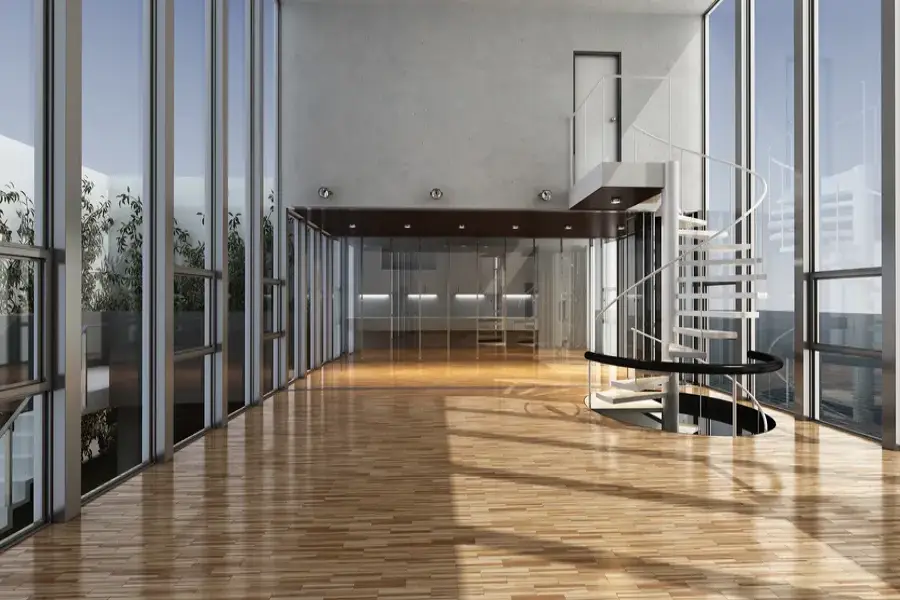
The Structure of Engineered Wood Flooring
Engineered flooring stands out due to its unique composition. Unlike solid wood floors, it consists of multiple layers. Each layer serves a specific function. The top layer is made of real hardwood, providing an authentic look. Beneath it are several plywood layers that enhance stability. This design prevents warping caused by moisture, making engineered flooring suitable for various environments.
Advantages You’ll Appreciate
When considering new floors, durability is often at the forefront. Engineered flooring excels in this area for several reasons:
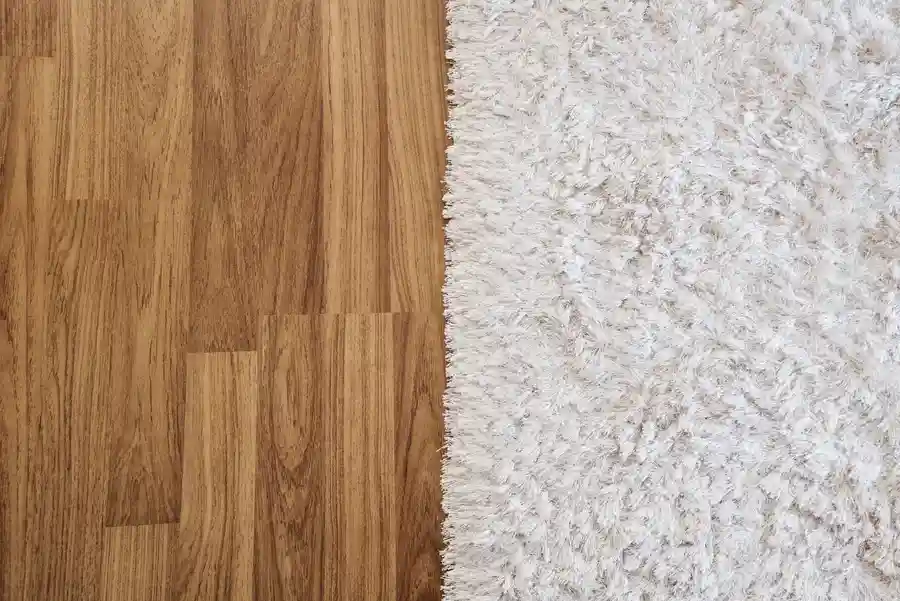
- Resistance to moisture: It doesn’t expand or contract like solid wood.
- Versatility: Suitable for installation over concrete and in basements.
- Aesthetic variety: Available in numerous wood species and finishes.
- Eco-friendly: Uses less hardwood compared to traditional wood floors.
Common Concerns With Floor Choices
Despite its many benefits, some concerns come up with engineered wood flooring. First is the potential for surface scratches. While durable, it’s still vulnerable to sharp objects or heavy furniture. Another concern is fading from prolonged sunlight exposure. However, these issues are manageable with the right precautions.
Solutions to Maximize Longevity
You can extend the life of your floors by taking some simple steps:
- Use protective pads under furniture to prevent scratching.
- Place mats or rugs in high-traffic areas to reduce wear.
- Avoid harsh cleaning products; opt for gentle cleaners instead.
- Install window treatments to minimize sun exposure.
Best Practices for Maintenance
Adhering to expert advice ensures your floor’s longevity:
- Sweep or vacuum regularly to remove dust and debris.
- Wipe spills immediately to avoid water damage.
- Schedule professional cleanings yearly for deep maintenance.
Understanding Industry Standards
The quality of engineered floors is often measured by thickness and core material. Thicker planks generally offer more durability and can be sanded down if needed. Additionally, ensure that the product meets recognized standards like the Forest Stewardship Council (FSC) certification, guaranteeing responsible sourcing and manufacturing processes.
Cost Factors to Consider
The cost of engineered wood flooring varies based on several aspects:
- Wood species: Exotic woods tend to cost more than domestic varieties.
- Plank size and thickness: Thicker boards are more expensive but offer greater longevity.
- Installation complexity: Costs rise with intricate patterns or challenging spaces.
Consider these factors when budgeting for your flooring project.
Your Ideal Flooring Solution Awaits
For those looking for a blend of beauty and resilience, understanding the durability of engineered flooring is crucial. By choosing this option, you gain flexibility in placement and peace of mind knowing your investment is sound. Trust Luna Bay Floors Inc for guidance on selecting the perfect flooring solution. Reach us at (310) 484-8232 to explore options tailored to your home needs. Based in Rolling Hills Estates, CA, our team proudly serves the local community with expertise and dedication to quality.